









‘Trump is the architect, Rubio is the builder,' Former State Department official says
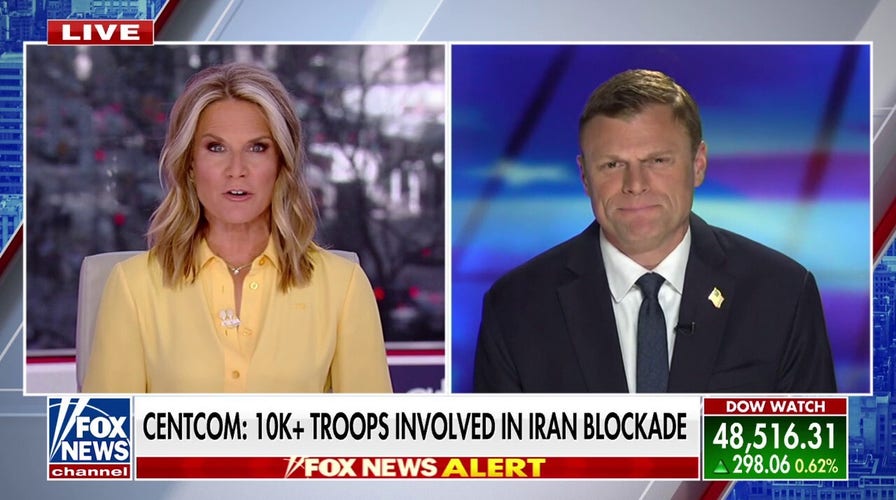
Former Trump State Department official Christian Whiton breaks down the potential outcome of U.S.-Lebanon talks over Hezbollah on ‘The Story.’
Secretary of State Marco Rubio announced Saturday that the Trump administration is sanctioning a senior Nicaraguan official over alleged human rights violations.
Rubio said the U.S. is designating Vice Minister of the Interior Luis Roberto Cañas Novoa for his role in "gross violations of human rights" under the government of President Daniel Ortega and Vice President Rosario Murillo, marking what he said was the latest effort to hold the regime accountable.
"The Trump administration continues to hold the Murillo-Ortega dictatorship accountable for brutal human rights violations against Nicaraguans," Rubio said in a post on X. "I’m designating Nicaraguan Vice Minister of the Interior Luis Roberto Cañas Novoa for his role in human rights violations."
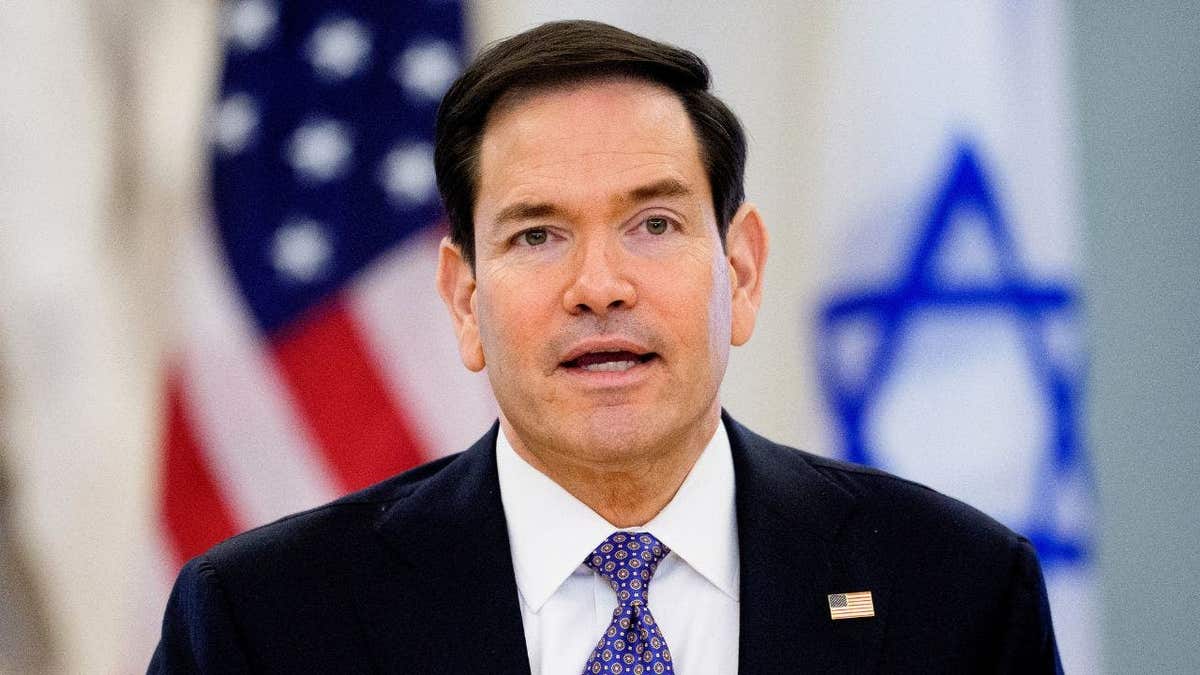
Secretary of State Marco Rubio speaks at the State Department, April 14, 2026. The U.S. announced sanctions on a Nicaraguan official tied to alleged human rights abuses under the Ortega-Murillo government. (Andrew Harnik/Getty Images)
The designation was made under Section 7031(c), which allows the State Department to bar foreign officials and their immediate family members from entering the United States due to involvement in significant corruption or human rights abuses.
The State Department has said the Ortega-Murillo government has engaged in arbitrary arrests, torture and extrajudicial killings following mass protests that began in April 2018.
"Nearly eight years ago, the Rosario Murillo and Daniel Ortega dictatorship unleashed a brutal wave of repression against Nicaraguans who courageously stood against the regime’s increased tyranny, corruption, and abuse," the statement reads.
The State Department said that the sanction marked the anniversary of the 2018 protests, after which more than 325 protesters were murdered in the aftermath.
A panel of U.N.-backed human rights experts previously accused Nicaragua’s government of systematic abuses "tantamount to crimes against humanity," following an investigation into the country’s crackdown on political dissent, according to The Associated Press.
The experts said the repression intensified after mass protests in 2018 and has since expanded across large parts of society, targeting perceived opponents of the government.
TRUMP ADMIN ANNOUNCES EXPANSION OF VISA RESTRICTION POLICY IN WESTERN HEMISPHERE
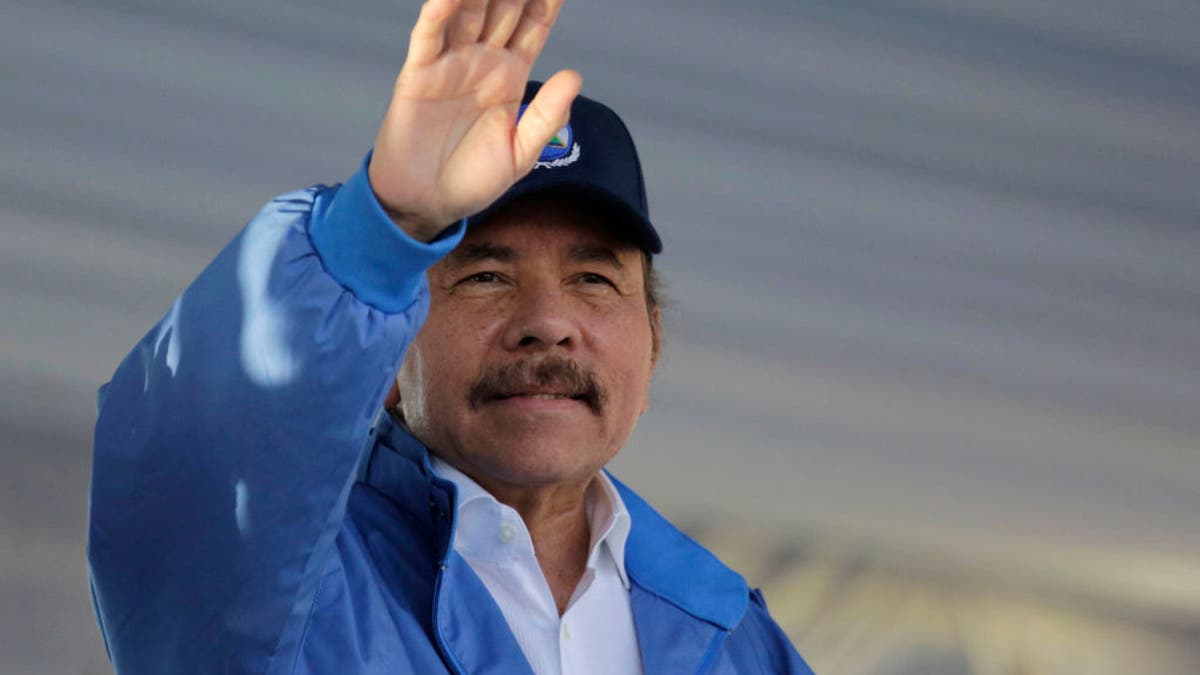
Nicaraguan President Daniel Ortega, waves to supporters during a rally marking the 40th Anniversary of the National Palace's takeover by the Sandinista guerrillas prior to the triumph of the revolution, in Managua on August 22, 2018. (Inti Ocon/AFP)
Nicaragua’s government has rejected those findings.
The designation follows a series of recent U.S. actions targeting the Ortega-Murillo government. In February, the State Department sanctioned five senior Nicaraguan officials tied to repression, citing arbitrary detention, torture, killings and the targeting of clergy, media and civil society.
Earlier this week, the department also announced sanctions on individuals and companies linked to Nicaragua’s gold sector, including two of Ortega and Murillo’s sons, accusing the regime of using the industry to generate foreign currency, launder assets and consolidate power within the ruling family.
The State Department said the move is part of ongoing efforts to hold the Nicaraguan government accountable for its actions.
Fox News Digital reached out to the Nicaraguan government and its embassy in Washington for comment but did not immediately receive a response.
CLICK HERE TO DOWNLOAD THE FOX NEWS APP
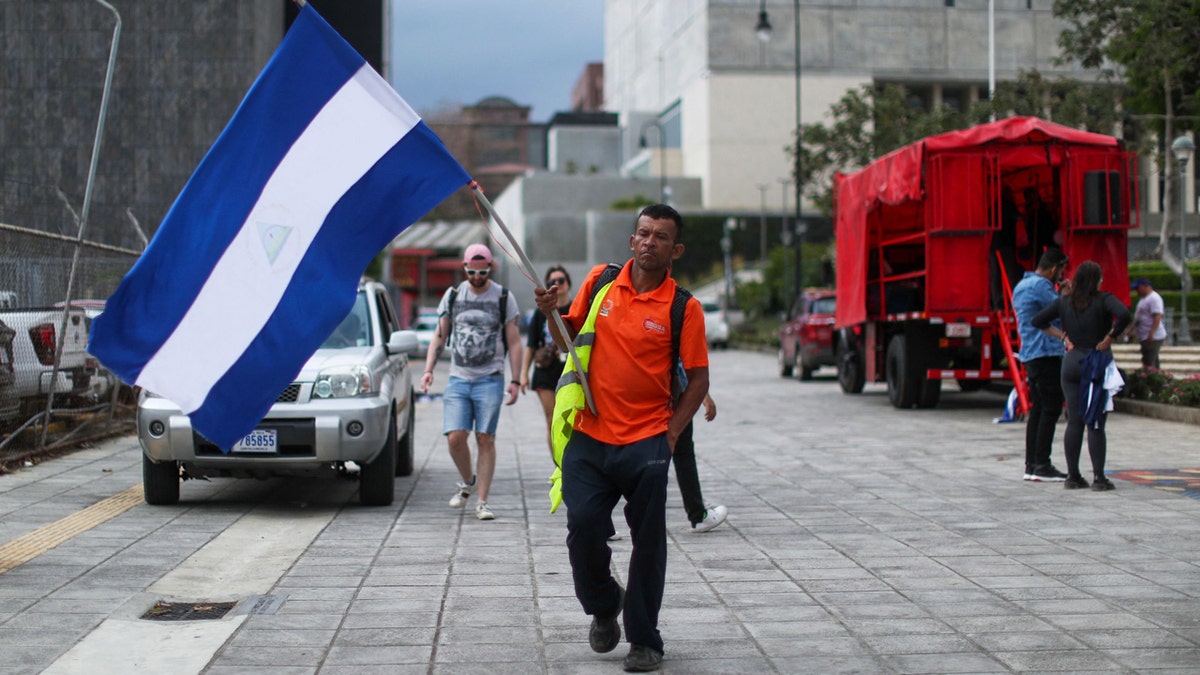
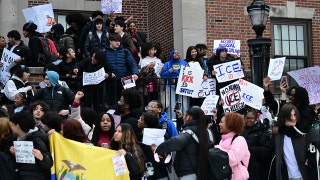
A man waves a Nicaraguan flag during a demonstration to commemorate Nicaragua's national Day of Peace, which is celebrated in the country on April 19, and to protest against the government of Nicaraguan President Daniel Ortega in San Jose, Costa Rica on April 16, 2023. (Jose Cordero/AFP)
The Trump administration has taken an increasingly aggressive posture in the Western Hemisphere in recent months, including a Jan. 3, 2026, operation that resulted in the capture of Venezuelan leader Nicolás Maduro and his wife, Cilia Flores.
The U.S. has also carried out a series of strikes targeting suspected drug-trafficking vessels in the region, part of a broader crackdown tied to regional security and narcotics enforcement efforts.
More from Politics


Fox News Politics
Get the latest updates from the 2024 campaign trail, exclusive interviews and more Fox News politics content.
By entering your email and clicking the Subscribe button, you agree to the Fox News Privacy Policy and Terms of Use, and agree to receive content and promotional communications from Fox News. You understand that you can opt-out at any time.
